
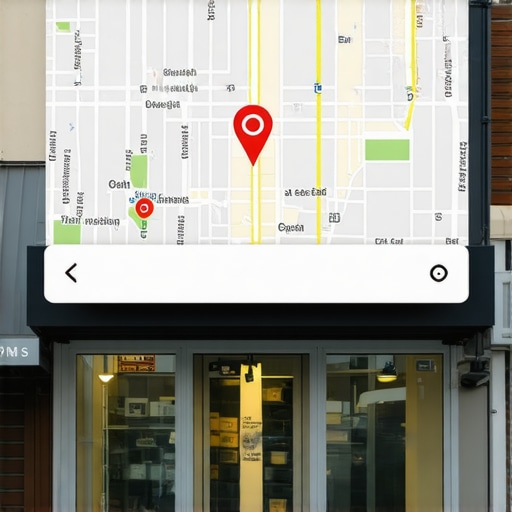
I remember waking up early one morning, coffee in hand, ready to check how my local business was performing on Google Maps. And suddenly, my heart sank. My business pin, which had been proudly displayed on the map just the night before, was gone. Vanished. Just like that. It’s a gut-wrenching feeling, like watching your store fade into digital oblivion without warning.
The Real Impact of a Disappearing Map Pin
This isn’t just about losing visibility; it’s about losing potential customers, revenue, and your hard-earned reputation. When your business pin disappears, especially overnight, it can feel like your efforts to attract local customers are erased in a heartbeat. Trust me, I’ve been there, and each time, I wondered what went wrong—a question that kept me up at night.
But here’s the thing—I learned that many of these disappearances aren’t random. They often stem from specific issues that, once identified, can be fixed. The key? Understanding why this happens and how to approach the problem systematically. Yes, recovery is possible, and I’m here to guide you through that journey.
Today, I’ll share proven strategies to troubleshoot and restore your Google Map listing. Because no matter how discouraging it feels, there’s hope. And believe me, getting your pin back isn’t just a pipe dream—it’s within your reach. Curious? Let’s dive into the common reasons why your pin slipped away and what you can do about it.
What Causes Your Business Pin to Disappear Suddenly
The first step is recognizing that there are specific, often fixable, reasons behind these mysterious disappearances. It could be anything from policy violations, listing conflicts, or verification issues. I remember making a critical mistake early on—ignoring Google’s unique guidelines—which led to my listing being suspended temporarily. Learning from that error, I discovered resources like these expert troubleshooting tips became indispensable.
In the following sections, I’ll walk you through step-by-step solutions, sharing insights from my own experience and trusted sources. If you’ve faced a sudden drop or disappearance, you’re not alone. Keep reading, and I’ll show you how to bring your business back into the spotlight.
Assess Your Listing Health Immediately
Start by verifying if your business profile adheres to Google’s guidelines. Log into your Google Business Profile dashboard and check for any notifications or suspension alerts. Use an audit tool like these troubleshooting resources to pinpoint issues such as policy violations or incomplete info. I once ignored a warning about inconsistent NAP details, which led to my pin vanishing temporarily; correcting it restored my visibility within days.
Identify and Correct Listing Conflicts
Check for Duplicate Listings
Multiple listings for the same business can cause ranking issues or disappearance. Search your business name and address on Google and within your local directories. If duplicates exist, claim and merge them or request removal of outdated entries. For example, I found a duplicate created by a local partner, which suppressed my main listing; resolving this conflict quickly brought my pin back.
Resolve Mismatched Data
Ensure your business name, address, phone number, and category are consistent across all online profiles. Inconsistent info creates confusion for Google’s algorithms. Use these steps for data conflict resolution. I once corrected inconsistent categories, leading to a noticeable rank improvement and pin resurgence.
Enhance and Optimize Your Profile
Update your profile with high-quality images, detailed descriptions, and relevant keywords. Accurately choose your primary category and add secondary ones if applicable. When I added new interior photos and optimized my description with location-relevant terms, I saw my pin become more prominent in local searches. Insert images here to illustrate optimal profile elements.
Boost Engagement and Authority
Encourage genuine reviews and respond to them promptly. Higher review volume and positive sentiment influence rankings. If your reviews are low or negative, address customer concerns openly. I implemented a feedback request email campaign, which increased my review count and improved visibility. Check out these strategies for review management.
Improve Local Signals and Signals Alignment
Ensure your business information matches across all online touchpoints, including your website, social media, and directories. Use consistent keywords in your content and metadata. Optimize hours, services, and attributes based on your actual operations. In my case, aligning my website’s footer with my Google profile boosted local relevance signals, aiding in pin recovery.
Monitor, Test, and Adjust Continuously
Regularly check your listing’s position and troubleshoot any fluctuations using tools like these troubleshooting guides. Experiment with profile updates or local link-building and observe effects. I once altered my primary category, which temporarily lowered my rank; reversing it and reinforcing my NAP consistency helped restore and even boost my pin’s position.
Many SEO enthusiasts and local business owners assume that boosting a low Google Maps ranking is simply a matter of updating profiles or collecting more reviews. While these tactics are essential, there’s a prevalent misconception that technical fixes or minor profile tweaks alone can solve all issues. In truth, the process is far more nuanced, and overlooking these subtleties can keep your business stuck in the shadows.
What Advanced Mistakes Do Most People Overlook When Troubleshooting Low Map Rankings?
One of the biggest pitfalls is relying solely on surface-level fixes, such as editing your listing’s metadata or improving visibility signals, without addressing underlying issues like data conflicts, verification errors, or algorithmic filters. According to expert analyses, such as those documented in comprehensive troubleshooting guides, these hidden factors often cause persistent ranking problems that are resistant to traditional solutions. Simply put, if you skip a detailed audit to identify silent errors—like mismatched business information or duplicate entries—you risk chasing the wrong issues, wasting time and resources.
Another critical nuance is the false belief that Google’s ranking algorithm is purely deterministic—meaning, if you follow a checklist, your rank will improve monotonically. But Google’s local SEO algorithms are dynamic and influenced by complex signals, including proximity, user engagement, review sentiment, and even algorithmic filters targeting spammy tactics. Being aware that rankings fluctuate and understanding that your efforts must adapt accordingly is vital. Neglecting this can lead you to mistakenly attribute drops to profile quality alone when they might stem from broader algorithmic temperaments.
Moreover, many practitioners fall into the trap of focusing on quick fixes instead of building a comprehensive, long-term strategy. For instance, they might aggressively solicit reviews or excessively optimize keywords without considering the importance of authoritative backlinks, local citations, or consistent NAP data across all platforms. This narrow focus often provides only short-term gains and may even trigger algorithmic filters if perceived as manipulation. To truly master local rankings, you need to combine technical audit, profile optimization, reputation management, and local signal enhancement. I recommend consulting advanced resources like these troubleshooting guides that delve into the intricacies of algorithmic filters and data conflicts.
Knowing what not to overlook makes all the difference. When you ignore silent errors or fail to understand algorithmic complexities, you risk perpetually battling symptoms rather than curing the root causes. This is where detailed diagnostics and ongoing adjustments come into play. Every nuance, from verifying your business’s location accuracy to managing shadows created by data conflicts, contributes to a healthier, more resilient ranking.
Have you ever fallen into this trap? Let me know in the comments. For those ready to go deeper, check out comprehensive guides on fixing low rankings, and consider reaching out through this contact page to get personalized assistance.
Keeping Your Map Listing in Top Shape
Once you’ve recovered your Google Maps ranking, the real challenge is maintaining that momentum over time. Consistent monitoring and using the right tools are crucial to prevent future drops and scale your local visibility effectively. I personally rely on a mix of specialized software and systematic routines to stay ahead.
One tool I can’t do without is BrightLocal. It offers comprehensive rank tracking across different locations and keywords, providing real-time insights into fluctuations. This helps me identify if a recent listing update or external signal shift is affecting my position, allowing me to respond promptly. Additionally, BrightLocal’s citation tracker ensures my NAP consistency remains intact, which is often a silent culprit for rank drops.
Another indispensable resource is Google’s My Business Insights. Regularly reviewing these analytics allows me to understand how users interact with my profile — including clicks, direction requests, and phone calls. Over time, these engagement metrics influence local algorithms, and acting on them can solidify your position. I also set up alerts through trusted troubleshooting guides to catch sudden performance dips.
To streamline ongoing maintenance, I make use of local SEO automation tools like SEMrush or Moz Local. These platforms help me audit my listings for inconsistencies, duplicate issues, and keyword opportunities without manual effort. Scheduling monthly audits ensures my profile remains optimized as algorithms and competitive landscapes evolve.
Looking ahead, I predict that integrating AI-driven analytics and local signal prediction models will become standard practice. These advanced tools will forecast potential ranking algorithm changes or data conflicts before they impact your visibility, allowing preemptive adjustments. Staying ahead of these trends requires adopting adaptive, data-driven routines now.
How do I maintain my Google Maps ranking over the long term?
The key is establishing a routine that combines regular profile audits, citation health checks, and engagement analysis. For example, setting up weekly alerts for unusual ranking drops or review spikes lets me act swiftly. Remember, the local ranking landscape is dynamic, and evolving with it is essential. Implementing these best practices with tools like BrightLocal and Moz Local has consistently helped me sustain high rankings and grow my local presence.
If you’re ready to take your maintenance strategy further, I recommend starting with one of these tools and applying the routine consistently. The effort pays off by keeping your business always visible and competitive. Want personalized guidance? Reach out through this contact page.
What I Didn’t Expect About Fixing My Map Pin
One of the toughest realizations was that most problems weren’t technical glitches but often silent errors like data conflicts or verification oversights. Discovering these hidden issues required a deep dive beyond surface fixes, teaching me patience and thoroughness.
Another lesson was understanding that Google’s algorithms are constantly shifting. Relying solely on traditional tactics without adapting to these changes meant risking future visibility. Staying informed and flexible became critical in my strategy.
I also learned the importance of monitoring not just rankings but patient reputation signals, like reviews and engagement, which can dramatically influence local SEO health. This holistic view helped me build resilience into my listing management.
Tools That Transformed My Approach to Local Visibility
Beyond Google’s own insights, I trust BrightLocal for its comprehensive rank tracking and citation audits. Its real-time data alerts helped me respond swiftly to ranking fluctuations, keeping my map pin visible.
SEMrush became invaluable for competitor analysis and spotting gaps in my profile optimization. Its data-driven recommendations allowed me to refine my local strategy effectively.
For smooth ongoing maintenance, Moz Local’s consistency checks and local citation management ensured my NAP data remained accurate across platforms, preventing hidden conflicts from derailing my efforts.
Your Turn to Elevate Your Map Presence
Remember, fixing a low map rank isn’t just about quick wins—it’s a journey of continual learning and adaptation. Embrace the process, leverage the right tools, and stay proactive in maintaining your local visibility. Your efforts can truly transform your business’s online presence, making you stand out where it counts.
What’s the biggest challenge you’ve faced in managing your Google Maps listing? Share your experiences below—I’d love to hear how you’re navigating this terrain.
,